


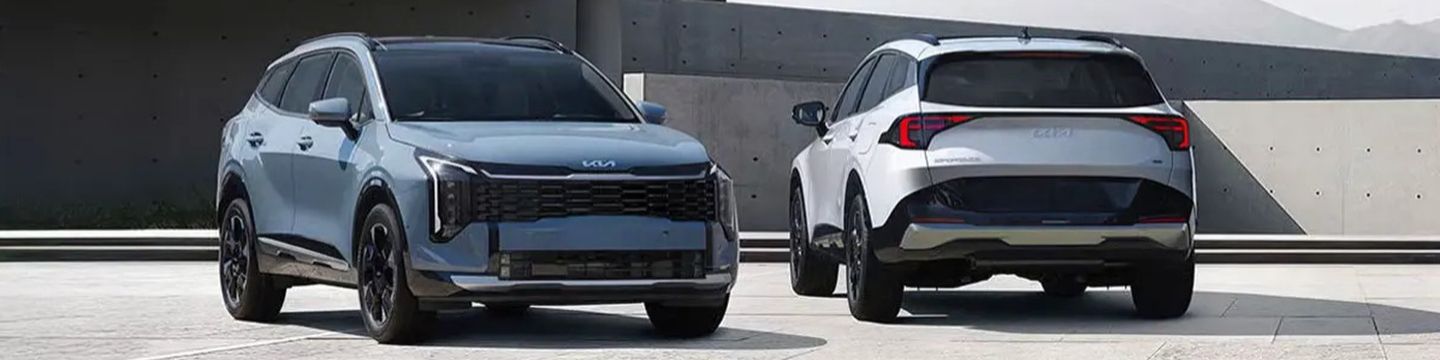
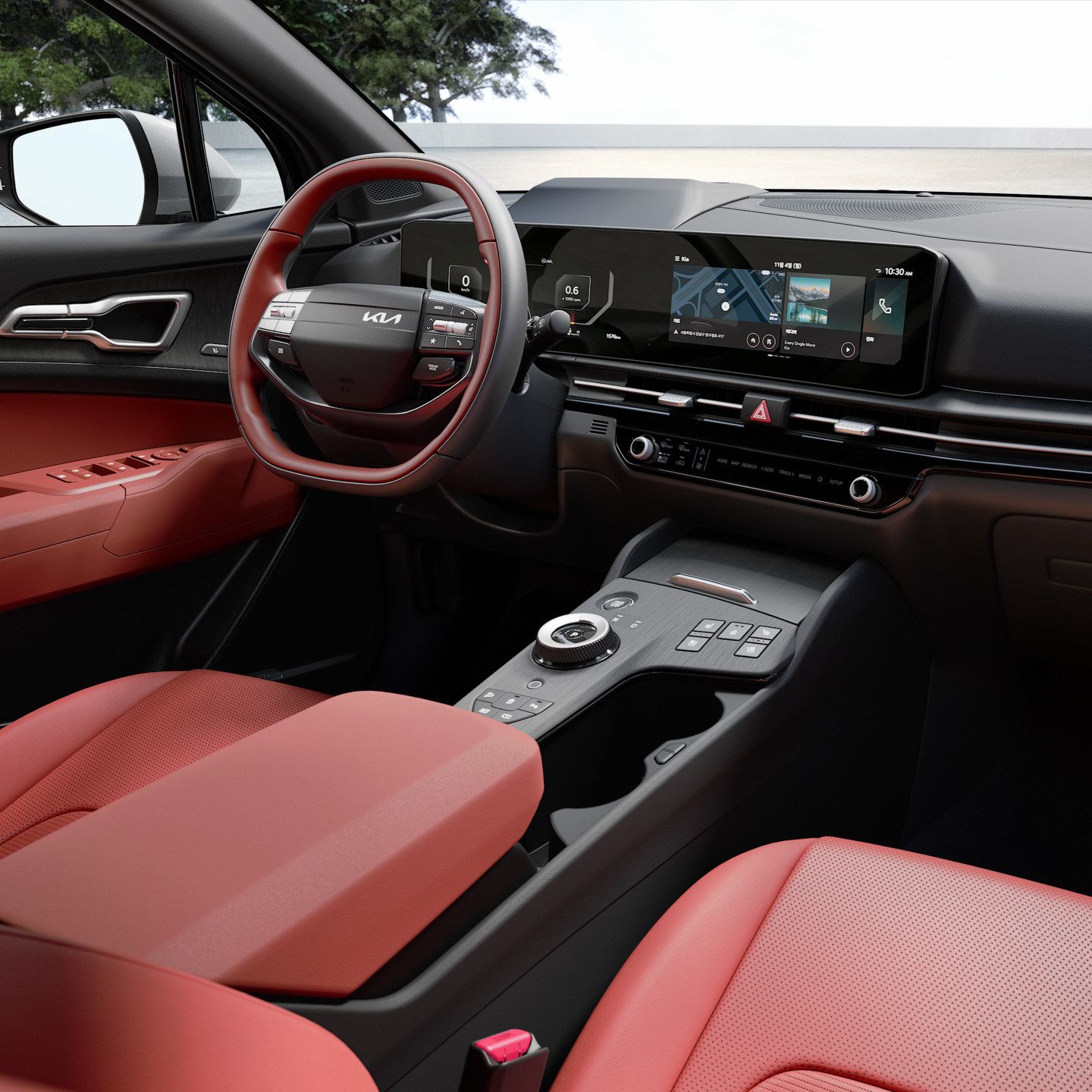
The 2027 Kia Sportage HEV runs a 1.6-litre turbocharged four-cylinder engine alongside a 17.4 hp electric motor fed by a 1.49 kWh lithium-ion battery operating at 270 volts, with a 6-speed automatic sending power to all four wheels. That battery is intentionally small. Its role is to capture energy during braking and coasting, then hand it back to the motor when the SUV pulls away from a stop, which is exactly where a gas engine on its own burns the most fuel. There is no plug to connect and no charging routine to fit into the week.
The two hybrid grades, EX AWD and EX Premium AWD, share identical drivetrain hardware and differ mainly in wheel and tire size. Around that system sits a practical compact SUV with 977 litres of cargo room behind the second row, 210 mm of ground clearance, and a towing rating of 750 kg that rises to 907 kg with the right trailering equipment. Toronto drivers who divide their week between the 401 and stop-and-go neighbourhood streets are the buyers this setup was designed around.
- Match the powertrain to your commute: if most of your kilometres are spent in crawling traffic, the motor’s low-speed assist is where the savings show up.
- Choose between the grades on ride feel, since the EX AWD rides on 17-inch alloys with 235/65R17 tires while the EX Premium AWD moves up to 18-inch wheels wearing 235/60R18 rubber.
- Measure your weekend loads against the 977-litre cargo hold and the 907 kg maximum tow rating before assuming you need a larger vehicle.
- Check the headroom numbers if the sunroof appeals to you, because front headroom drops from 1,006 mm to 968 mm once it is installed.
- Consider the plug-in Sportage only if you can charge at home or at work; without that access, the HEV’s self-replenishing battery is the simpler answer.
Compact hybrid SUVs tend to be judged on one fuel economy figure. Understanding how the motor, battery, and turbo engine divide the workload explains why the Sportage HEV feels different in downtown traffic than it does on an open stretch of highway.
