Toronto's streets present a unique winter challenge. While major routes like the Gardiner and DVP get cleared quickly, side streets in neighbourhoods across North York, Scarborough, and Etobicoke often wait hours—or days—for the plow. That morning commute down a snow-covered residential street, or that icy intersection near your local Tim Hortons, can quickly test your vehicle's traction limits.
Many city drivers assume all-wheel drive is only necessary for cottage country trips or rural highways. The reality is more nuanced. If your daily route includes unplowed side streets, steep residential hills, or frequent stops at icy intersections during Toronto's unpredictable winter months, an AWD system can provide meaningful safety advantages. Here's what Kia owners in Ontario need to understand about AWD for urban winter driving.
The City Driving Misconception
The most common myth about AWD is that it's "overkill" for city environments. This misconception stems from the assumption that urban roads are always well-maintained. Toronto's reality tells a different story.
Residential streets in neighbourhoods across the Greater Toronto Area often remain snow-covered for 12 to 24 hours after a storm. Morning rush hour happens before plows reach secondary routes. That steep hill in your subdivision, the uncleared alley behind your condo, or the slushy parking lot at your grocery store—these everyday scenarios are where AWD systems prove their value.
Kia's AWD technology doesn't just help you accelerate on snowy roads. Modern systems like the Active AWD found in the Sportage and Seltos continuously monitor wheel slip and distribute power to the wheels with the most traction. This happens automatically, without driver input, making it particularly useful during unpredictable moments like hitting a patch of black ice while turning at an intersection.
How Kia's AWD Systems Work in Winter Conditions
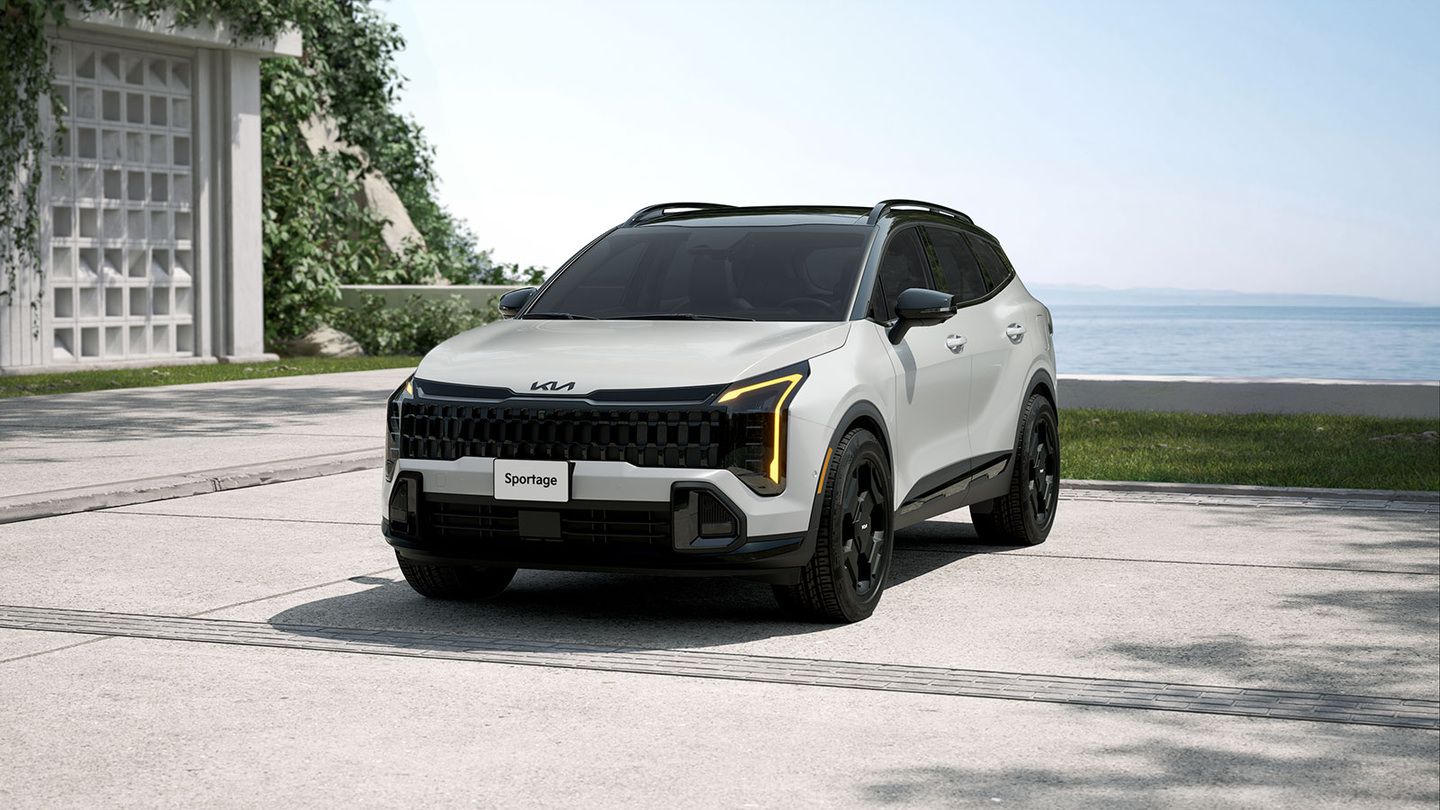
Kia equips several models with sophisticated AWD systems designed specifically for Canadian winters. The Sportage X-Line Limited, for example, features an Active AWD system with dedicated Terrain Modes including Snow, Mud, and Sand settings.
When you select Snow Mode, the system adjusts power distribution to prevent wheel slippage before it occurs. This proactive approach means smoother acceleration from a stop at traffic lights and more controlled handling when navigating through slush. The system monitors conditions constantly, transferring torque between the front and rear axles up to 100 times per second.
For Toronto drivers, this technology translates to real-world confidence. Pulling out of your driveway onto an unplowed street becomes less stressful. Merging onto the 401 during a snowstorm feels more controlled. Navigating the slippery entrance ramp to underground parking after freezing rain becomes manageable rather than nerve-wracking.
Which Kia Models Offer AWD?
AWD availability varies across Kia's lineup, giving Toronto drivers options at different price points:
Compact and Subcompact SUVs:
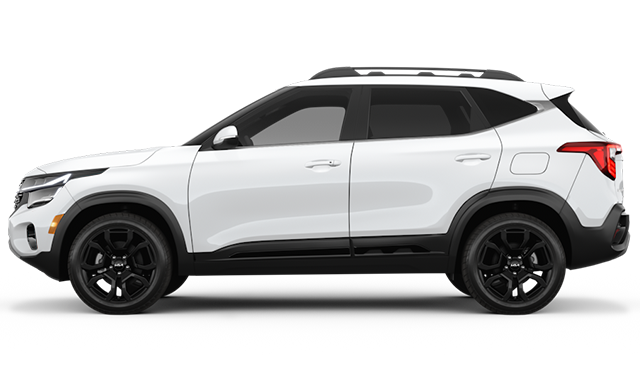
- Sportage: Available with AWD on all trims (ICE, HEV, and PHEV variants). The X-Line Limited comes standard with Active AWD and Terrain Mode.
- Seltos: AWD available starting at the EX trim, equipped with a locking differential for enhanced traction.
Mid-Size and Large SUVs:
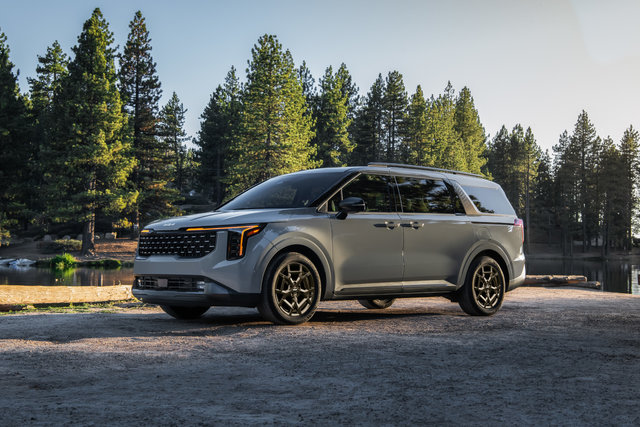
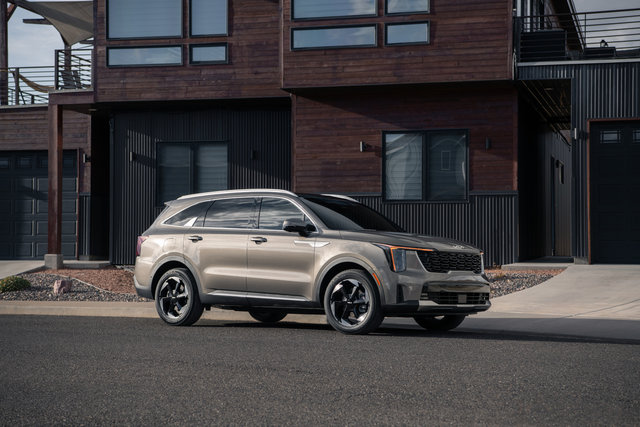
- Sorento: AWD available across gasoline and hybrid powertrains, offering three-row seating with winter capability.
- Telluride: Standard AWD on all trims, featuring an 8-speed automatic transmission and 3.8 L V6 engine producing 291 hp.
Electric Options:
- EV9: Dual-motor AWD available on Land and GT trims, with Terrain Drive Modes for enhanced capability in winter conditions.
Each of these models provides different combinations of passenger space, cargo capacity, and fuel efficiency while maintaining strong winter traction through AWD.
AWD vs. Winter Tires: What Matters More?
This is the question Toronto drivers ask most frequently, and the answer is straightforward: winter tires matter more than AWD for stopping and cornering, but AWD matters more for acceleration and getting unstuck.
AWD helps you move forward through snow and maintain momentum on slippery surfaces. Winter tires help you stop, turn, and maintain control once you're moving. The two technologies work together—neither replaces the other.
Ontario law doesn't require winter tires, but Quebec's mandatory winter tire regulation (December 1 to March 15) reflects the proven safety benefits. Kia's AWD systems perform best when paired with quality winter tires. The Sportage owner's manual specifically emphasizes that "the driving performance of the vehicle is greatly affected by the condition of the tires" and recommends equipping all four wheels with tires of the same size and type.
For Toronto's winter conditions, the ideal setup combines AWD capability with dedicated winter tires. This pairing provides maximum traction for acceleration, optimal grip for braking and cornering, and the best overall confidence in unpredictable weather.
Real Toronto Scenarios Where AWD Helps
Consider these common situations Toronto drivers face between November and March:
Unplowed Side Streets: Your residential street in North York hasn't been cleared since last night's snowfall. With AWD, your Sportage distributes power to all four wheels, helping you pull away from the curb without spinning tires or getting stuck.
Icy Intersections: You're stopped at a red light on Yonge Street. The intersection has been polished to ice by repeated traffic. When the light turns green, AWD helps you accelerate smoothly without wheel spin that could cause you to slide sideways.
Parking Lot Slush: The grocery store parking lot is covered in heavy, wet slush. AWD provides the extra traction needed to navigate through deep slush piles left by plows near the entrance.
Freezing Rain Mornings: An overnight ice storm has coated your sloped driveway. AWD helps you climb the grade to reach the street, where FWD alone might leave you spinning in place.
These aren't extreme off-road scenarios. They're everyday winter realities for Toronto drivers, and they're precisely where AWD systems provide measurable safety benefits.
Key Takeaways: AWD for Toronto Winters
|
Question
|
Answer
|
|
Do city drivers need AWD?
|
Not essential, but beneficial for unplowed side streets, icy intersections, and sloped driveways common in Toronto neighbourhoods
|
|
Which Kia models offer AWD?
|
Sportage, Seltos, Sorento, Telluride (standard), and EV9 (dual-motor option)
|
|
Is AWD better than winter tires?
|
Both work together—AWD helps acceleration and traction, winter tires help stopping and cornering
|
|
What about fuel economy?
|
AWD models typically use 0.5–1.0 L/100 km more fuel than FWD equivalents
|
|
Can I switch AWD on and off?
|
Kia's systems operate automatically, with optional Terrain Modes (Snow, Mud, Sand) on select trims like Sportage X-Line
|
Learn More at North York Kia
Winter driving in Toronto doesn't require extreme off-road capability, but it does demand reliable traction when conditions deteriorate. Whether AWD is right for your driving needs depends on your typical routes, neighbourhood topography, and comfort level in winter weather.
If your daily commute includes unplowed residential streets, steep hills, or frequent driving during active snowfall, exploring Kia's AWD-equipped models makes practical sense. Visit North York Kia in Toronto to discuss which AWD system best matches your winter driving patterns and see how models like the Sportage and Seltos handle Ontario's seasonal challenges.
To learn more about Kia SUVs like the 2026 Kia Sportage, visit Kia.ca